Is it Painful to Get a Tooth Implant?
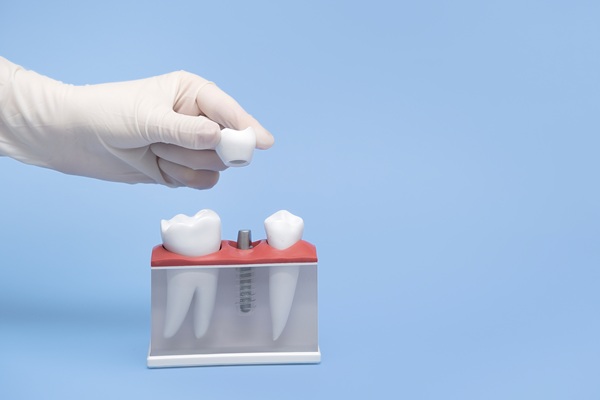
Tooth implants have become a popular replacement option for individuals with missing teeth. Also known as dental implants, this replacement option is one that requires a semi-invasive oral surgery. The term oral surgery often sparks fear in individuals due to the potential for pain; however, what is important to know is that tooth implants are the leading replacement option currently available. The results are worth the commitment and the few days of discomfort afterward. Keep reading to learn more about the potential for pain.
The pain associated with tooth implants
Below is a quick overview of tooth implants and the discomfort that comes with it. This information can be helpful to review when preparing for the procedure.
Tooth implants defined
Tooth implants are small prosthetics that go directly into the jawbone. They are shaped like screws and work to replace the structure of a tooth by acting as the roots. Once placed, a process of osseointegration occurs where the bone and the implant fuse together, becoming one. After a few months of healing and fusing, the dentist places an abutment, which attaches the tooth implant to the artificial tooth, which is most likely a dental implant, bridge or partial denture.
Is it painful?
Tooth implants are known to induce some discomfort after the fact. However, during the actual placement of them, the patient is actually sedated, which means they will not feel anything! General dentists administer anesthesia prior to the procedure, which puts the patient "under". This ensures that the procedure goes smoothly and that the patient will not feel any discomfort while the tooth implants are actually being placed.
The bulk of the pain associated with tooth implants comes afterward during the recovery process. Having prosthetics placed in the jawbone requires incisions into the gums, which can result in soreness and inflammation. Additionally, the jawbone itself will feel sore as it adjusts to the new tooth implants.
Remedying the pain
After tooth implants are placed, the oral cavity is relatively sore. Additionally, the wound sites where the implants were placed will likely have a dull pain for a couple of days, which is completely normal. The mouth as a whole is likely to be sensitive. Thankfully, modern technology exists to help with pain management.
General dentists recommend the following after tooth implants have been placed.
- Take any pain medication in moderation and with food
- Avoid eating hard or tough foods that could increase pain or irritate the wound
- Rinse the mouth with salt water a couple of times a day, gently
- Brush and floss any surrounding teeth to ensure the area is disinfected
- Avoid touching the wounds where the tooth implants were placed
Find out more from a general dentist
When looking for further information on tooth implants, it is best to consult directly with a general dentist. An evaluation can be done in order to determine the most appropriate course of action. Additionally, patients can ask questions and go over concerns, which can be helpful when preparing. Reach out today to learn more or to get scheduled for an appointment.
Request an appointment here: https://www.dentistmidtownatlanta.com or call Colony Square Dental Associates at (404) 540-9393 for an appointment in our Atlanta office.
Check out what others are saying about our dental services on Yelp: Tooth Implants in Atlanta, GA.
Related Posts
Tooth implants have become a popular replacement option for individuals with missing teeth. Also known as dental implants, this replacement option is one that requires a semi-invasive oral surgery. The term oral surgery often sparks fear in individuals due to the potential for pain; however, what is important to know is that tooth implants are…
Dental fillings protect teeth affected by cavities or minor damage, but they do not last forever. Over time, normal chewing forces, temperature changes, and everyday wear can affect even well-placed restorations. Visiting a general dentist can help identify the early signs of a failing filling, allowing treatment before a small problem develops into a larger…
A chipped tooth needs immediate attention to protect the structural integrity of a smile. Fortunately, an emergency dentist can provide this immediate and crucial care to preserve one's oral health and smile. Sudden trauma from sports activities, accidental falls, or biting down on hard foods can cause enamel fractures. When structural damage occurs, seeking a…
Are you wondering if your dental insurance covers dental crowns? These restorations are a common solution for severely damaged teeth, offering a durable, long-lasting way to restore function. However, the price tag is a valid concern for people on a budget or who want to get the most out of their benefits. If you need…