Gingivitis to Periodontitis: The Stages of Gum Disease
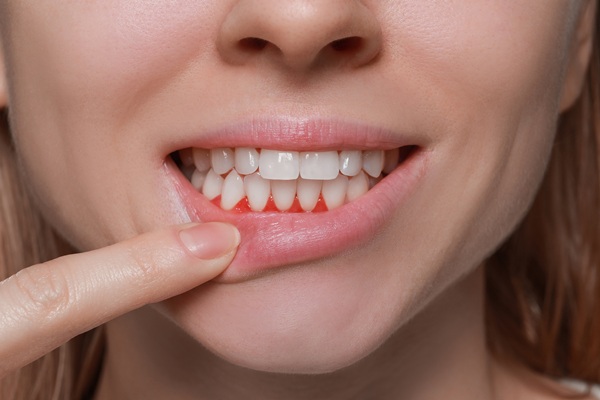
Gum disease develops in stages, and early action protects oral health and overall wellness. This common condition starts when plaque, a sticky film of bacteria, accumulates along the gumline. When not removed, plaque hardens into tartar, which irritates the tissues and triggers inflammation. Without treatment, inflammation can spread into deeper structures, damaging the ligaments and bones that support teeth.
Early warning signs
The earliest stage of gum disease begins with gingivitis. Gingivitis describes inflammation limited to the soft tissue of the gums. Gums may look red or swollen and may bleed with brushing or flossing. The patient's breath can begin to smell stale or bad because the oral bacteria release sulfur compounds.
In the early stages of gum disease treatment, the dentist evaluates the gums with a probe and checks for plaque, tartar, and bleeding points. The underlying bone tissue remains intact at this stage; timely care can restore a healthy, pink appearance. A professional cleaning removes tartar that a toothbrush cannot reach. Healthy oral hygiene at-home habits also support healing and reduce bacterial buildup that fuels gum disease.
How gingivitis turns into periodontitis
When inflammation extends below the gumline, the condition progresses to periodontitis. The attachment between the gum and the tooth loosens, forming periodontal pockets. These spaces harbor bacteria, making thorough cleaning more difficult. The body responds to ongoing infection by breaking down supporting tissue, and bone loss can follow. Signs may include:
- Gum recession
- Sensitive tooth roots
- Shifting or loose teeth
- A change in how the teeth fit together
- Pus or infection around the gum line
A general dentist measures pocket depths, reviews radiographs for bone levels, and assigns a stage and grade to guide treatment. Early to moderate cases typically respond to scaling and root planing, a dental deep cleaning that removes tartar and smooths root surfaces to limit the risk of bacterial reattachment. More advanced cases may require specialized procedures to regenerate support or reshape the gums for better access.
Treatment and home care
Patients who smoke, manage diabetes, or experience dry mouth benefit from personalized plans, since these factors can increase risk and slow improvement. Balanced nutrition, hydration, and stress management also support the body’s immune response. In any case, patients can benefit from these habits:
- Brush twice daily with a soft-bristled brush, and angle bristles 45 degrees to the gumline
- Clean between teeth with floss, interdental brushes, or a water flosser once per day
- Use an antimicrobial or fluoride mouthrinse as directed by the dentist
- Limit frequent snacking and sugary drinks that feed bacteria
- Schedule regular cleanings and periodontal maintenance as recommended
These steps reduce inflammation, support healing after treatment, and help prevent gum disease from returning. With consistent care, many patients stabilize periodontitis and protect remaining bone. If changes occur, such as new bleeding, swelling, or shifting, contact the dental office promptly for evaluation and adjustments to the plan.
Schedule a consultation
Healthy gums anchor every smile, and timely treatment can slow or stop damage from gum disease. A thorough evaluation, clear home-care coaching, and customized maintenance visits help restore comfort and protect chewing function for the long term. For more information or to schedule an appointment, call our office.
Request an appointment here: https://www.dentistmidtownatlanta.com or call Colony Square Dental Associates at (404) 540-9393 for an appointment in our Atlanta office.
Check out what others are saying about our dental services on Yelp: Gum Disease in Atlanta, GA.
Related Posts
Laser dentistry offers an alternative to ultrasonic drills by using focused light to remove tooth decay, shape tissue, and sanitize surfaces. Although the traditional drill delivers reliable results for many dental needs, dental lasers have improved the effectiveness of conservative techniques and patient comfort. A trusted dentist can recommend one approach over the other after…
For many people who feel nervous about dental care, laser dentistry offers a calmer, gentler path to treatment. The technology utilizes focused light to treat teeth and gums with reduced noise and vibration compared to traditional tools. This quieter experience helps reduce tension in the chair and can lower the need for numbing in select…
Dental fillings protect teeth affected by cavities or minor damage, but they do not last forever. Over time, normal chewing forces, temperature changes, and everyday wear can affect even well-placed restorations. Visiting a general dentist can help identify the early signs of a failing filling, allowing treatment before a small problem develops into a larger…
A chipped tooth needs immediate attention to protect the structural integrity of a smile. Fortunately, an emergency dentist can provide this immediate and crucial care to preserve one's oral health and smile. Sudden trauma from sports activities, accidental falls, or biting down on hard foods can cause enamel fractures. When structural damage occurs, seeking a…